

Get your
bag-age-
Skip stress
Study.
Energetic. Effective. Motivated.

Study effectively
EFFECTIVE | WORKPLACE | HYGIENE
Start your study day with attention to your workplace. Is important!
What does the (study) workplace still need for you? What are you missing? What needs to change? Check your (study) environment on the basis of the following points of attention:
Clear | What do you need today? Pick that up and clean up everything else. Make sure that your workplace is neat and tidy and above all remains. Loose papers in one pile. Documents and other necessities neatly arranged in folders and storage boxes. All office tools in one tray. This allows you to keep a good overview and you do not forget tasks. Rest in your workplace. Rest in your head.
Personal | Make your workplace personal and inspiring. The more you feel at home at your (study) workplace, the more pleasant you can work. And the more creative, effective and productive you are. Therefore, take care of personal items. This gives a familiar and safe feeling. That could be anything. Photos. Tickets. Quotes. A homemade pen tray. A reminder to a reminder. A valuable eye-catcher. A drawing. Or create your own mood board. Provide a personal touch, but don't make your workplace too busy or too full.
Green | Brighten up your surroundings! With plants. Plants have many advantages. And contribute to a healthier working environment. Plants are good for your concentration, focus and creativity. A good addition to your workplace. The color green also has a soothing effect. And plants also provide air purification. That means cleaner and fresher air in the house. And let's face it, plants are also just very cozy!
Atmospheric | With light and lighting. With daylight. A bright lamp. Light is important for your (study) workplace. Good lighting is good for concentration and energy and it contributes to the production of vitamins. And pleasant light also just gives a pleasant feeling. In case of too little natural light, make sure you have an extra floor lamp or desk lamp.
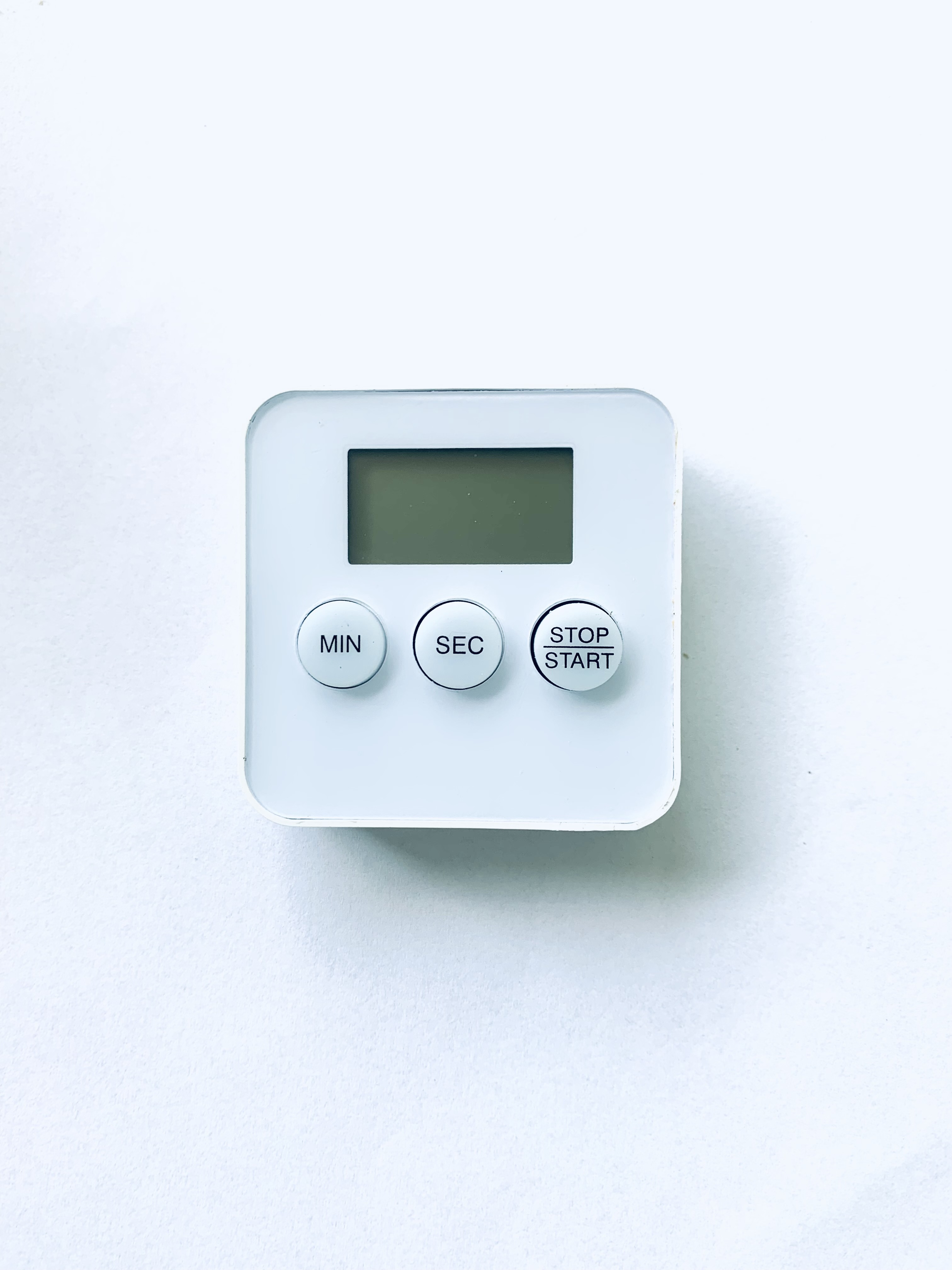
EFFECTIVE | TIMER | POMODORO TECHNIQUE
The pomodoro technique is a method for time management, developed at the end of the eighties by Francesco Cirillo. The technique is strongly related to timeboxing. (Timeboxing is the limitation in advance of the amount of time that one wants and is allowed to spend on a certain activity. This is to prevent something from running out.)
Francesco Cirillo, an Italian student, had some trouble focusing. As an experiment, he used a kitchen timer in the form of a tomato, a pomodoro, to time periods of 25 minutes of focused work. And now that many millions of people are applying it, you can conclude that it has been a successful experiment.
The pomodoro technique is not only easy, efficient and effective, it is also very healthy. It is a source for focus, concentration, flow, motivation and awareness of time. Pomodoros therefore contribute to the prevention of procrastination and stress and make you more productive.
Step 1
Provide a timer and 3 A4. Give the 3 A4 a name :
1) dump list 2) task list 3) planning
Step 2
On the dump list, you dump all your thoughts that are about what still needs to be done. Structure all these thoughts on the to-do list. Make it clear which tasks are important and how much time you think you will spend on the task.
Step 3
Process the tasks in a schedule and make sure you divide the tasks into 25-minute blocks. The list is now ready and you're good to go. Start at the top of the list, set the timer to 25 minutes and focus only on that task. After 25 minutes, take a 5-minute break and repeat until all the tasks are done.

Energetic study
ENERGETIC | ATTENTION | FOCUS
Your effectiveness and energy can sometimes decrease during the study day. If you also have a lot of lectures (in a row) you get quite a bit up and tired. That's how it works. That's just the way it is. Studying requires intensity. So energy. And energy is not infinite. Is that bad? Not necessarily. It only becomes annoying if you do not allow yourself an energy giver (s).
Fatigue is not so much caused by hard work or a lot of work. The problem is much more that we do not charge or incorrectly charge.
After the effort, the relaxation. Give it to yourself, grant it to yourself, do it for yourself. So that you can work (continue) pleasantly throughout the day. What do you charge from? Or maybe also an interesting question: what does your brain charge from? With the following background knowledge, you may be able to make better choices in this regard.
Focused attention and open attention*
Charging to be able to accelerate. Why? Because the time you lose with a break is smaller than the loss of productivity if you continue. Therefore, give the right attention to breaks in between. Recognize the difference between these 2 types of attention:
1. Focused attention
That's what you're doing right now. You read this site and include new information. This takes a certain amount of effort. Every time our brains ingest information, they are at work.
2. Open attention
Is the total opposite. You don't include any information. Your brain is given the space to process the information you have absorbed for this purpose. Kind of daydreaming. Wandering off with your thoughts.
*theory taken from the book 'FOCUS' by Mark Tigchelaar
With open attention, the brain is cleaned up and recharged. Open attention has all kinds of forms where you are relaxed in motion.
YES | brain is still at work
- Podcast listening
- Watch YouTube video
- Scrolling on your phone
- Having a discussion with fellow student
- Checking social media
- Read a book
- Read magazine
- Whatsappen
NO | brains are charged
- Getting coffee
- Staring outwards
- Trampoline jumping
- Chatting / laughing
- Walk
- Powernap
- Simple household chores
Don't be fooled by the difference in 'fun' and 'relaxation'. Watching a YouTube video can be a lot of fun. Because of this it seems that it gives relaxation, but it is focused attention. And technically not a break for our brains. It still requires effort unnoticed and fatigued.
HIGHLY RECOMMENDED | Literally food for new energy. So food. For example, nuts. A banana. Apple. Nice egg. Yoghourt. Avocado. Figs. Dark chocolate. Drink water. Do you want to have energy quickly, but then also feel bad energy again quickly? Sugars do that for you. Nice, but not nice and smart.
TIP | Feed yourself with (mental) vitamins. Literally and figuratively, give yourself the right food.
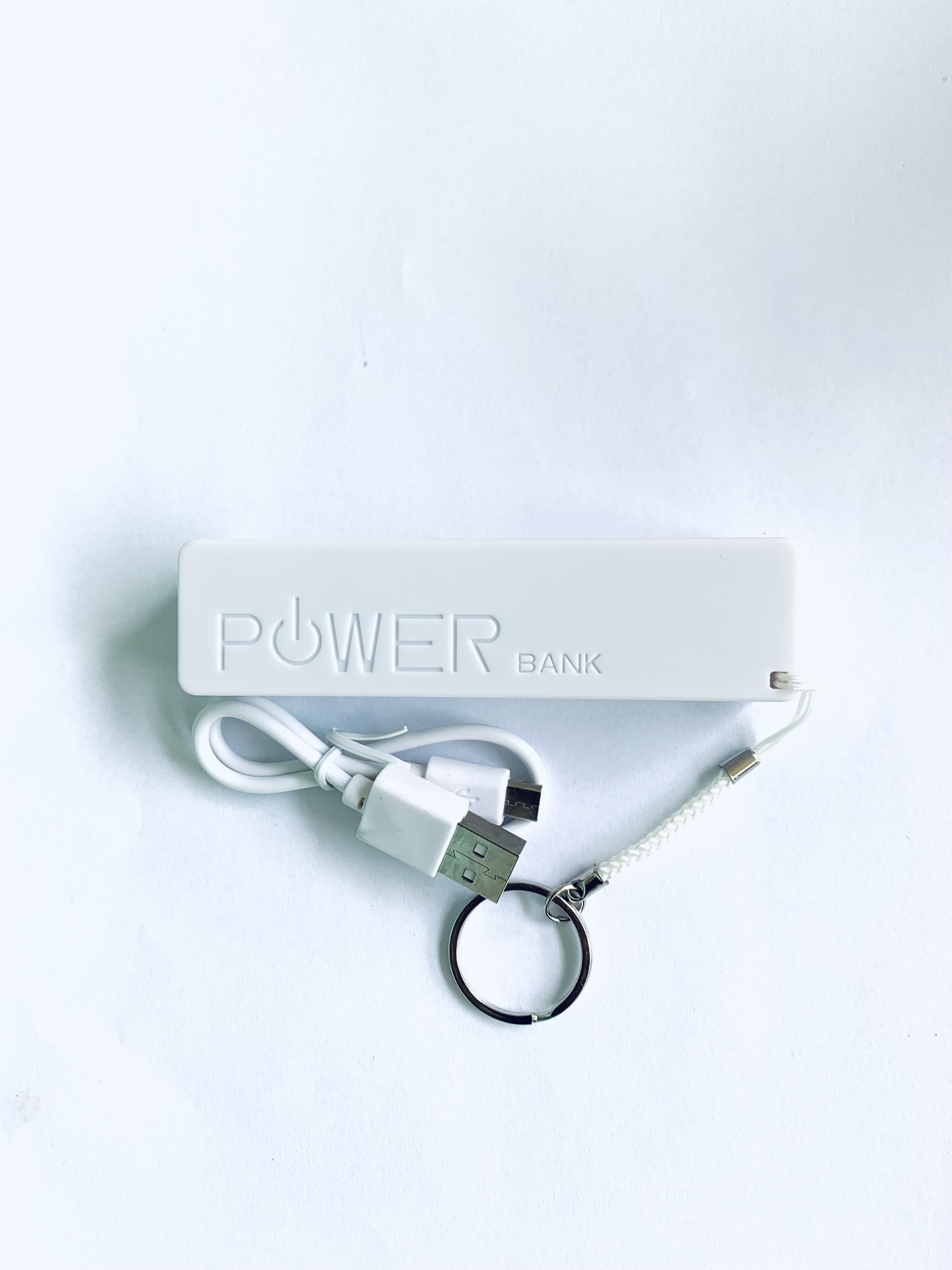
ENERGETIC | POWERBANK | ENERGY FRESH
A person needs energy to be able to move, think and retain heat. Without energy, we feel lifeless, easily irritated and lacking satisfaction. Energy is one of the dimensions of vitality, the degree to which we feel energetic, strong and decisive. Energy! It sometimes seems elusive, but you can certainly influence it.
You have four energy levels: physical, mental, emotional and spiritual. The energy at these levels can be planned, productively used and recharged. These 4 energy levels can be continuously recharged by training them regularly.
What can you do to train these energy levels?
Physical ; sleep, breathing exercise, nutrition and hydration
Emotional ; patience, openness, trust and pleasure
Mentally ; visualization, positive affirmations, positive attitude and meditation
Spiritual ; honesty, integrity, courage and perseverance
How can this help you for a pleasant study day? By adjusting twice a day to your energy level of that moment. Two moments divided over the day to literally and figuratively catch your breath. You do that by focusing on your body. What are you experiencing? What do you observe?
HIGHLY RECOMMENDED | Go for a conscious walk. Walking with attention. Open your senses: look, hear, smell and feel. Try, as you walk, listen to your body signals. What does your body tell you? Which places give signals? What do you experience?
TIP | Really take your break(s), so that you recharge enough and fill in the break with activities that really help you recharge in that moment in a good way.

Motivated study
MOTIVATED | TALENT | QUESTION
Discover yourself, before someone else discovers you!
Look-and-see, everyone has talent. The only question is whether you have really seen your talent. Talent is the ability to do something very well. Usually it is innate or later developed by personal interests (further). Often we do not recognize our own talents, while they make us unique. When you use your talent, you have fun, you are more creative, you perform better and you love nothing more than what you are doing. All the more important to look for your talent. How do you discover your talent now? By looking differently, you will find out your talent(s) and you can use them more consciously and let them be of value. These three steps will help you on your way:
1. Looking [for your passion]
What do you like and would you do for free?
2. Happiness [or succes]
When do you experience success and what does your environment value about you?
3. [Me) In dubio
Are you doing what you really like and what you're good at? How could you do that more?
MOTIVATED | OVERVIEW | MINDSET
Fresh start
A small foray into a number of basic principles for effective and motivated working. Because it helps so much for a satisfied feeling. Take fifteen minutes every morning for 'thinking' before you start 'doing'. Put your thinking energy into the following questions and prepare for the day, a fresh start!
1. What are you going to do today?
Name your TOP 3 of the day. No more. No less. What 3 things do you want to have done today?
2. What are you not going to do today?
What's in your head, but do you already know that you're not going to do it today or you're not going to succeed. Put it on a leaf as a kind of parking leaf. Which I'm not going to do today. Put a line through it for now. Remove. Give yourself an overview and air. So decide what you're not going to do.
3. How do you want to experience the day (mindset)?
Everyone wants a nice day. In the morning, think for yourself 'I'm going to make it a beautiful day today!'. Make the decision and choose job satisfaction and say it out loud: 'today I'll make it a beautiful day!'
TIP | Go on the study and start with the first action of your TOP 3. Good luck!

MOTIVATED | CHANGE | STEP LADDER
How to create ownership
Learning new things, or changing existing behaviors, it's quite a bit. And there are whole theories of how best to get started with this.
Ben Tiggelaar has broken down the way of change into 3 steps, or 3 steps:
Goal: where you want to go
Behavior: that which you actuallysee changing
Support: support to keep you on theright path
You walk the ladder first from top to bottom (when making your plan) and then from bottom to top (when executing, trying and doing your plan).
Drivers
Something that you can always keep an eye on are the 3 drivers of behavior:
Capacity: can you actually do what you ask of yourself?
Motivation: do you actually want it yourself?
Environment: can you actually do what you want in the environment in which you are?
All 3 of them directly affect your actual behavior. In addition, capacity and environment also play a role in the size of your motivation:
▪️ The size of your capacity directly affects your motivation: too large or too small a capacity ensures less motivation (too little or too much challenge). Something that you can't quite do, that which feels uncomfortable, that's what often appeals to your motivation well.▪️ The extent to which your environment, physically or socially, supports you, also influences your motivation.
An example: suppose I have the ambition to do yoga for at least an hour every day. When my condition does not pull this off, my motivation often also decreases: my capacity (can I do this?) is not at this level, an hour is too high. When I lower this to 30 minutes, something that can be just a bit uncomfortable but can be done, my motivation increases. Especially when I notice that those 30 minutes are getting better and better. My capacity is getting bigger (and if I want, I can move on to 45 or 60 minutes).
In addition, it is also important that I have the actual stuff in the house to do this (yoga mat, fun yoga classes online) or a nice yoga school around the corner. What I want to do can also be done in the environment, which contributes to my motivation.
In short, capacity, motivation and environment work together to actually show other behavior. They can support each other or get in the way.
